The Connection Between Stress and Chronic Pain: What Patients Should Know

connection between stress and chronic pain

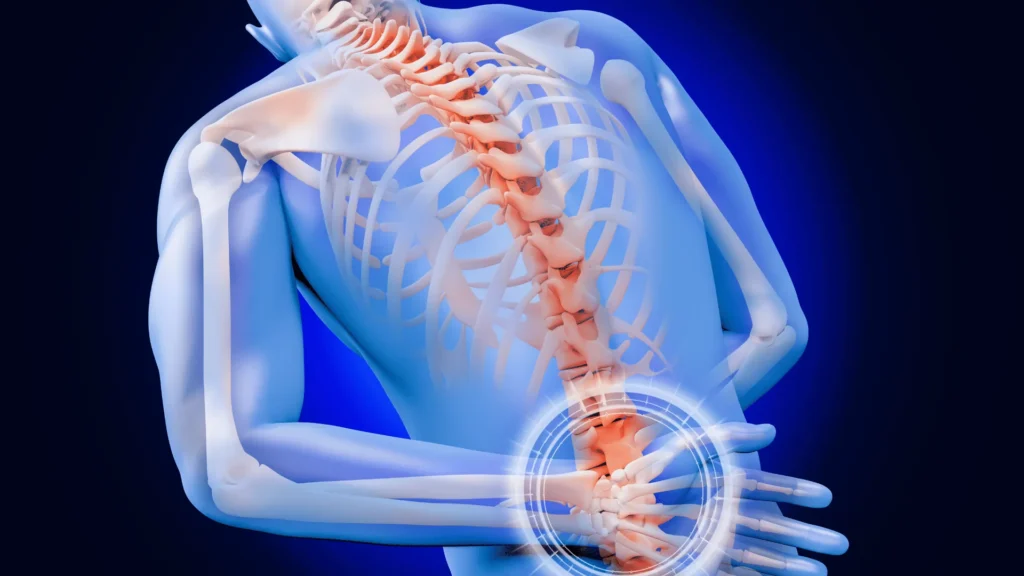
Stress and chronic pain are closely connected. While stress may not be the original cause of a pain condition, it can influence how the body responds to pain, how intense symptoms feel, and how often pain flares occur. For many patients, chronic pain becomes more difficult to manage during periods of emotional strain, poor sleep, increased muscle tension, or major life changes.

At the same time, chronic pain can create stress of its own. Pain may interfere with work, sleep, mobility, family life, exercise, and everyday routines. Over time, this can create a cycle where pain increases stress, and stress makes pain feel worse.

Understanding this connection can help patients take a more complete approach to care. Chronic pain is real, and stress does not mean symptoms are imagined. Instead, stress is one of many factors that can affect the nervous system, muscles, inflammation, sleep, and overall pain sensitivity.

What Is Chronic Pain?

Chronic pain is pain that lasts longer than expected after an injury, illness, procedure, or flare-up. In many cases, chronic pain continues for months or longer and may come and go over time. Some patients experience constant discomfort, while others have periods of improvement followed by recurring pain flares.

Chronic pain can affect many areas of the body. Patients may experience back pain, neck pain, joint pain, nerve pain, headaches, migraines, post-surgery pain, or pain related to arthritis, sciatica, complex regional pain syndrome, or other conditions. Procura Pain & Spine treats a wide range of chronic pain conditions that can interfere with mobility, comfort, and quality of life.

How Stress Affects the Body

Stress activates the body’s natural fight-or-flight response. This response is helpful in short bursts, but long-term stress can place strain on the body. When stress remains elevated, it may affect muscle tension, sleep quality, energy levels, mood, inflammation, and pain processing.

Stress Can Increase Muscle Tension

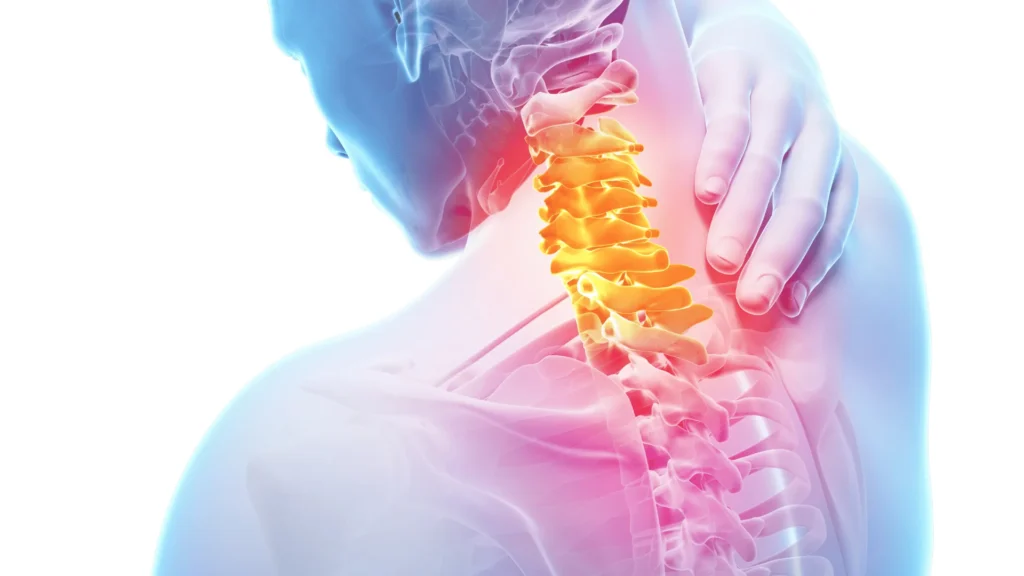
One of the most common ways stress affects pain is through muscle tension. During stressful periods, many people tighten their neck, shoulders, jaw, or back without realizing it. Over time, this tension can contribute to stiffness, soreness, headaches, and pain flares.

For patients already dealing with chronic back pain, neck pain, or joint discomfort, muscle tension may make existing symptoms feel more intense. This is especially true when stress is combined with long hours sitting, poor posture, reduced movement, or lack of sleep.

Stress Can Disrupt Sleep

Sleep plays an important role in pain management and recovery. When stress makes it difficult to fall asleep, stay asleep, or wake up rested, the body may become more sensitive to pain. Poor sleep can also reduce energy, increase irritability, and make it harder to stay active during the day.

This creates a frustrating pattern for many patients. Pain makes it hard to sleep, poor sleep makes pain feel worse, and increased pain leads to more stress the next day.

Stress Can Make the Nervous System More Sensitive

Chronic pain often involves more than the injured or irritated area of the body. The nervous system also plays a major role in how pain signals are processed. When stress is ongoing, the nervous system may become more reactive, making pain feel stronger or more widespread.

This does not mean the pain is fake. It means the body’s pain signaling system may be on higher alert. For some patients, this can lead to more frequent pain flares, increased sensitivity, or discomfort that seems out of proportion to activity levels.

The Stress and Chronic Pain Cycle

Stress and chronic pain can reinforce each other. Pain can make daily life more difficult, and those limitations can increase emotional stress. In return, stress can worsen muscle tension, sleep problems, fatigue, and pain sensitivity.

How Chronic Pain Can Increase Stress

Living with chronic pain can affect nearly every part of life. Patients may worry about missing work, avoiding activities, needing help with daily tasks, or not being able to enjoy time with family. Pain may also lead to frustration when symptoms are unpredictable or when previous treatments have not provided enough relief.

Over time, this stress can affect mood, confidence, and motivation. Some patients begin avoiding movement because they are afraid of making pain worse. While rest can be helpful in certain situations, too much inactivity may contribute to stiffness, weakness, and reduced function.

How Stress Can Make Chronic Pain Worse

Stress can make chronic pain worse in several ways. It can increase muscle tightness, reduce sleep quality, heighten pain signals, and make it harder to stay consistent with healthy habits. During stressful periods, patients may also move less, eat poorly, skip appointments, or delay care.

When these patterns continue, pain may become harder to control. This is why chronic pain treatment often works best when it looks at the whole picture, not just the painful area.

Signs Stress May Be Affecting Your Pain

Stress does not affect every patient the same way. However, there are common signs that stress may be contributing to pain flares or making symptoms harder to manage.

  • Pain gets worse during stressful work periods, family challenges, or major life changes
  • Muscle tightness increases in the neck, shoulders, back, or jaw
  • Sleep becomes more difficult when pain is present
  • Pain feels more intense after poor sleep
  • Fatigue, low energy, or brain fog become more noticeable
  • Mood changes, irritability, anxiety, or frustration increase
  • Activity levels decrease because of fear of triggering pain
  • Pain flares become more frequent or harder to predict

These signs do not mean stress is the only cause of pain. They simply suggest that stress may be one factor influencing the body’s pain response.

Chronic Pain Is Real: Stress Does Not Mean Pain Is Imagined

One of the most important things patients should understand is that stress-related pain is still real pain. Stress can influence how the brain, nerves, muscles, joints, and immune system respond to pain signals, but that does not make the pain imaginary.

Patients should not dismiss ongoing pain or assume they simply need to “relax.” Persistent pain deserves proper evaluation, especially when it interferes with work, sleep, movement, or daily routines. A pain management specialist can help identify possible physical sources of pain while also considering factors that may be contributing to flare-ups.

Ways to Help Manage Stress-Related Pain

Managing stress-related pain usually requires a combination of medical care, lifestyle support, and patient-specific strategies. The right plan depends on the type of pain, its underlying cause, medical history, activity level, and personal goals.

Gentle Movement and Stretching

Gentle movement can help reduce stiffness, improve circulation, support joint mobility, and build confidence with activity. Walking, stretching, low-impact exercise, and physician-guided movement may help many patients manage chronic pain more effectively.

Patients should avoid pushing through severe pain or starting intense exercise without guidance. A provider can help determine which types of movement are appropriate based on the condition being treated.

Better Sleep Habits

Improving sleep can support the body’s ability to manage pain. Helpful habits may include keeping a consistent sleep schedule, limiting screen time before bed, reducing caffeine late in the day, and creating a comfortable sleep environment.

Patients who regularly lose sleep because of pain should discuss this with a medical provider. Sleep problems can make chronic pain harder to manage and may be an important part of the treatment conversation.

Breathing and Relaxation Techniques

Relaxation strategies may help calm the body’s stress response. Deep breathing, mindfulness, meditation, guided relaxation, and gentle stretching can help reduce tension and support better pain control for some patients.

These techniques are not a replacement for medical care, but they may be useful tools within a broader chronic pain plan.

Physical Therapy and Rehabilitation

Physical therapy can help patients improve strength, flexibility, balance, mobility, and movement patterns. For patients who have reduced activity because of pain, guided rehabilitation may help restore function safely and gradually.

Physical therapy may also help patients better understand which movements are safe, which activities should be modified, and how to rebuild confidence after long periods of discomfort.

Behavioral Health and Stress Management Support

For some patients, counseling, cognitive behavioral strategies, or stress management support may be helpful. Chronic pain can affect mood and emotional well-being, and emotional stress can influence pain sensitivity. Addressing both sides of the pain experience can lead to a more complete care plan.

Healthy Daily Habits

Hydration, balanced nutrition, regular movement, and pacing daily activities may also support chronic pain management. While lifestyle habits may not eliminate pain on their own, they can improve overall resilience and help patients better manage flare-ups.

When to See a Pain Management Specialist

Patients should consider seeing a pain management specialist when pain persists, worsens, or begins interfering with daily life. Pain that lasts for weeks or months should not be ignored, especially when it affects sleep, walking, working, exercising, or normal routines.

It is also important to seek care when pain is associated with numbness, tingling, weakness, radiating pain, frequent flare-ups, or pain that has not improved with conservative care. These symptoms may suggest nerve involvement or another underlying issue that should be evaluated.

At Procura Pain & Spine, patients can meet with experienced pain specialists who evaluate symptoms, medical history, lifestyle factors, and possible pain sources. The goal is to build a personalized care plan that helps reduce pain, restore function, and improve quality of life.

How Pain Management Can Help

Pain management focuses on identifying the source of pain and creating a treatment plan tailored to the patient. Depending on the condition, care may include conservative therapies, medication management when appropriate, image-guided procedures, rehabilitative support, or advanced interventional treatments.

Patients may benefit from options such as injection therapy, nerve blocks, regenerative medicine, minimally invasive spine procedures, or neuromodulation, depending on their diagnosis and treatment goals.

For patients with chronic pain that has not responded to basic self-care, a comprehensive evaluation can help determine the next best step. Procura Pain & Spine offers a range of pain management treatment options for patients dealing with both acute and chronic pain.

Questions to Ask Your Pain Management Provider

Patients who suspect stress may be influencing their pain should bring it up during their appointment. Helpful questions may include:

  • Could stress be contributing to my pain flares?
  • What may be causing my chronic pain?
  • Are my symptoms related to muscles, joints, nerves, or the spine?
  • What treatment options are available for my condition?
  • Should I consider physical therapy or lifestyle changes?
  • What symptoms should prompt urgent medical care?
  • How can I reduce flare-ups and improve daily function?

Asking these questions can help patients better understand their condition and take a more active role in treatment planning.

Take the Next Step Toward Chronic Pain Relief

Stress and chronic pain can be deeply connected, but patients do not have to manage that cycle alone. Chronic pain is real, and lasting relief often starts with understanding the physical, emotional, and lifestyle factors that may be contributing to symptoms.

At Procura Pain & Spine, our team provides personalized pain management care for patients in The Woodlands and surrounding communities. Whether you are dealing with back pain, neck pain, joint pain, nerve pain, headaches, or ongoing pain after surgery, our physicians can help evaluate your symptoms and recommend a treatment plan designed around your needs.

If chronic pain is affecting your sleep, mood, mobility, or quality of life, contact Procura Pain & Spine today to schedule an appointment and take the next step toward relief.

Understanding Joint Pain: Age, Activity, and Everyday Wear

Joint Pain Management

Joint pain is one of the most common reasons people seek medical care, affecting individuals across all age groups and lifestyles. Whether it develops gradually over time or appears suddenly after an injury, joint discomfort can interfere with daily activities, mobility, and overall quality of life. Understanding how age, activity levels, and everyday wear contribute to joint pain is the first step toward finding effective, long-term relief.

What Is Joint Pain?

Joint pain refers to discomfort, stiffness, or inflammation in any part of a joint, including cartilage, ligaments, tendons, and surrounding tissues. It can affect areas such as the knees, hips, shoulders, and spine, often making movement difficult or painful.

Common symptoms include:

  • Stiffness, especially after periods of inactivity
  • Swelling or tenderness
  • Reduced range of motion
  • A dull ache or sharp pain with movement

Joint pain can be either acute (short-term, often injury-related) or chronic (lasting for months or longer), with chronic cases often requiring a more comprehensive treatment approach.

How Aging Impacts Joint Health

As the body ages, natural changes occur within the joints that can lead to discomfort and reduced mobility. Cartilage, which acts as a cushion between bones, gradually wears down over time. This can lead to increased friction, inflammation, and pain.

Conditions such as osteoarthritis become more common with age, particularly in weight-bearing joints like the knees and hips. Additionally, the body produces less synovial fluid, which helps lubricate joints, contributing to stiffness and decreased flexibility.

While aging is unavoidable, the severity of joint pain is often influenced by lifestyle choices and activity levels over time.

The Role of Physical Activity in Joint Pain

High-Impact Activities

Activities such as running, jumping, or heavy lifting can place significant stress on joints, especially when performed repeatedly or without proper form. Over time, this can accelerate wear and tear, increasing the risk of injury and chronic pain.

Low-Impact Activities

Low-impact exercises like walking, swimming, and cycling help maintain joint mobility while minimizing stress. These activities promote circulation, strengthen surrounding muscles, and support overall joint function.

Overuse vs. Underuse

Too much activity can strain joints, but too little movement can be just as harmful. Inactivity often leads to stiffness, muscle weakness, and reduced joint support. Finding a balance between movement and recovery is essential for long-term joint health.

Everyday Wear and Tear on Joints

Joint pain is not always the result of a major injury. In many cases, it develops from repetitive movements and daily habits over time.

Factors that contribute to everyday joint wear include:

  • Repetitive motions at work or during exercise
  • Poor posture, especially during prolonged sitting
  • Improper ergonomics in workspaces
  • Excess body weight increasing joint load

Even small, repeated stresses can gradually break down joint structures, leading to discomfort that worsens over time.

Common Causes of Joint Pain

Joint pain can stem from a variety of underlying conditions, including:

  • Arthritis, such as rheumatoid arthritis
  • Injuries like sprains, strains, or ligament damage
  • Inflammation caused by overuse or autoimmune disorders
  • Degenerative conditions affecting cartilage and bone

Because the causes can vary, accurate diagnosis is essential for effective treatment. At Procura Pain & Spine, providers focus on identifying the root cause of pain rather than simply masking symptoms.

Signs It’s Time to Seek Medical Care

While occasional joint discomfort is common, certain symptoms may indicate a more serious issue:

  • Persistent or worsening pain
  • Swelling, redness, or warmth around a joint
  • Limited mobility affecting daily activities
  • Pain that disrupts sleep or rest

If joint pain begins to interfere with your quality of life, seeking professional care can help prevent further damage and improve long-term outcomes. Learn more about conditions treated for chronic pain.

Treatment Options for Joint Pain

Effective treatment depends on the cause and severity of the pain. A comprehensive approach often includes both conservative and advanced options.

Conservative Treatments

  • Physical therapy to improve strength and flexibility
  • Anti-inflammatory medications
  • Lifestyle changes, including weight management and activity modification

Advanced Pain Management Options

For patients who do not respond to conservative care, interventional treatments may provide relief. These include:

  • Targeted pain management treatments such as joint injections
  • Nerve blocks to interrupt pain signals
  • Minimally invasive procedures designed to reduce inflammation and restore function

These treatments are designed to provide longer-lasting relief while helping patients avoid more invasive surgical options whenever possible.

Tips for Maintaining Healthy Joints

  • Stay active with low-impact exercise
  • Maintain a healthy weight to reduce joint stress
  • Practice proper posture and ergonomics
  • Incorporate anti-inflammatory foods into your diet
  • Stretch regularly to improve flexibility

Small, consistent changes can significantly reduce the risk of developing chronic joint pain.

Preventing Joint Pain Before It Starts

Prevention is one of the most effective strategies for maintaining joint health. Building strength around joints, improving flexibility, and addressing minor discomfort early can help prevent more serious issues down the line.

Routine evaluations and early intervention can also identify potential problems before they progress. If you are experiencing early signs of discomfort, explore joint pain treatment options.

Taking Control of Your Joint Health

Joint pain is often the result of a combination of factors, including age, activity levels, and everyday habits. While some degree of wear and tear is inevitable, proactive care and the right treatment approach can make a significant difference.

By understanding the causes of joint pain and taking steps to protect your joints, you can maintain mobility, reduce discomfort, and continue doing the activities you enjoy. If pain persists, working with a specialist can help you find personalized solutions for lasting relief.

Joint pain is one of the most common reasons people seek medical care, affecting individuals across all age groups and lifestyles. Whether it develops gradually over time or appears suddenly after an injury, joint discomfort can interfere with daily activities, mobility, and overall quality of life. Understanding how age, activity levels, and everyday wear contribute to joint pain is the first step toward finding effective, long-term relief.

What Is Joint Pain?

Joint pain refers to discomfort, stiffness, or inflammation in any part of a joint, including cartilage, ligaments, tendons, and surrounding tissues. It can affect areas such as the knees, hips, shoulders, and spine, often making movement difficult or painful.

Common symptoms include:

  • Stiffness, especially after periods of inactivity
  • Swelling or tenderness
  • Reduced range of motion
  • A dull ache or sharp pain with movement

Joint pain can be either acute (short-term, often injury-related) or chronic (lasting for months or longer), with chronic cases often requiring a more comprehensive treatment approach.

How Aging Impacts Joint Health

As the body ages, natural changes occur within the joints that can lead to discomfort and reduced mobility. Cartilage, which acts as a cushion between bones, gradually wears down over time. This can lead to increased friction, inflammation, and pain.

Conditions such as osteoarthritis become more common with age, particularly in weight-bearing joints like the knees and hips. Additionally, the body produces less synovial fluid, which helps lubricate joints, contributing to stiffness and decreased flexibility.

While aging is unavoidable, the severity of joint pain is often influenced by lifestyle choices and activity levels over time.

The Role of Physical Activity in Joint Pain

High-Impact Activities

Activities such as running, jumping, or heavy lifting can place significant stress on joints, especially when performed repeatedly or without proper form. Over time, this can accelerate wear and tear, increasing the risk of injury and chronic pain.

Low-Impact Activities

Low-impact exercises like walking, swimming, and cycling help maintain joint mobility while minimizing stress. These activities promote circulation, strengthen surrounding muscles, and support overall joint function.

Overuse vs. Underuse

Too much activity can strain joints, but too little movement can be just as harmful. Inactivity often leads to stiffness, muscle weakness, and reduced joint support. Finding a balance between movement and recovery is essential for long-term joint health.

Everyday Wear and Tear on Joints

Joint pain is not always the result of a major injury. In many cases, it develops from repetitive movements and daily habits over time.

Factors that contribute to everyday joint wear include:

  • Repetitive motions at work or during exercise
  • Poor posture, especially during prolonged sitting
  • Improper ergonomics in workspaces
  • Excess body weight increasing joint load

Even small, repeated stresses can gradually break down joint structures, leading to discomfort that worsens over time.

Common Causes of Joint Pain

Joint pain can stem from a variety of underlying conditions, including:

  • Arthritis, such as rheumatoid arthritis
  • Injuries like sprains, strains, or ligament damage
  • Inflammation caused by overuse or autoimmune disorders
  • Degenerative conditions affecting cartilage and bone

Because the causes can vary, accurate diagnosis is essential for effective treatment. At Procura Pain & Spine, providers focus on identifying the root cause of pain rather than simply masking symptoms.

Signs It’s Time to Seek Medical Care

While occasional joint discomfort is common, certain symptoms may indicate a more serious issue:

  • Persistent or worsening pain
  • Swelling, redness, or warmth around a joint
  • Limited mobility affecting daily activities
  • Pain that disrupts sleep or rest

If joint pain begins to interfere with your quality of life, seeking professional care can help prevent further damage and improve long-term outcomes. Learn more about conditions treated for chronic pain.

Treatment Options for Joint Pain

Effective treatment depends on the cause and severity of the pain. A comprehensive approach often includes both conservative and advanced options.

Conservative Treatments

  • Physical therapy to improve strength and flexibility
  • Anti-inflammatory medications
  • Lifestyle changes, including weight management and activity modification

Advanced Pain Management Options

For patients who do not respond to conservative care, interventional treatments may provide relief. These include:

  • Targeted pain management treatments such as joint injections
  • Nerve blocks to interrupt pain signals
  • Minimally invasive procedures designed to reduce inflammation and restore function

These treatments are designed to provide longer-lasting relief while helping patients avoid more invasive surgical options whenever possible.

Tips for Maintaining Healthy Joints

  • Stay active with low-impact exercise
  • Maintain a healthy weight to reduce joint stress
  • Practice proper posture and ergonomics
  • Incorporate anti-inflammatory foods into your diet
  • Stretch regularly to improve flexibility

Small, consistent changes can significantly reduce the risk of developing chronic joint pain.

Preventing Joint Pain Before It Starts

Prevention is one of the most effective strategies for maintaining joint health. Building strength around joints, improving flexibility, and addressing minor discomfort early can help prevent more serious issues down the line.

Routine evaluations and early intervention can also identify potential problems before they progress. If you are experiencing early signs of discomfort, explore joint pain treatment options.

Taking Control of Your Joint Health

Joint pain is often the result of a combination of factors, including age, activity levels, and everyday habits. While some degree of wear and tear is inevitable, proactive care and the right treatment approach can make a significant difference.

By understanding the causes of joint pain and taking steps to protect your joints, you can maintain mobility, reduce discomfort, and continue doing the activities you enjoy. If pain persists, working with a specialist can help you find personalized solutions for lasting relief.

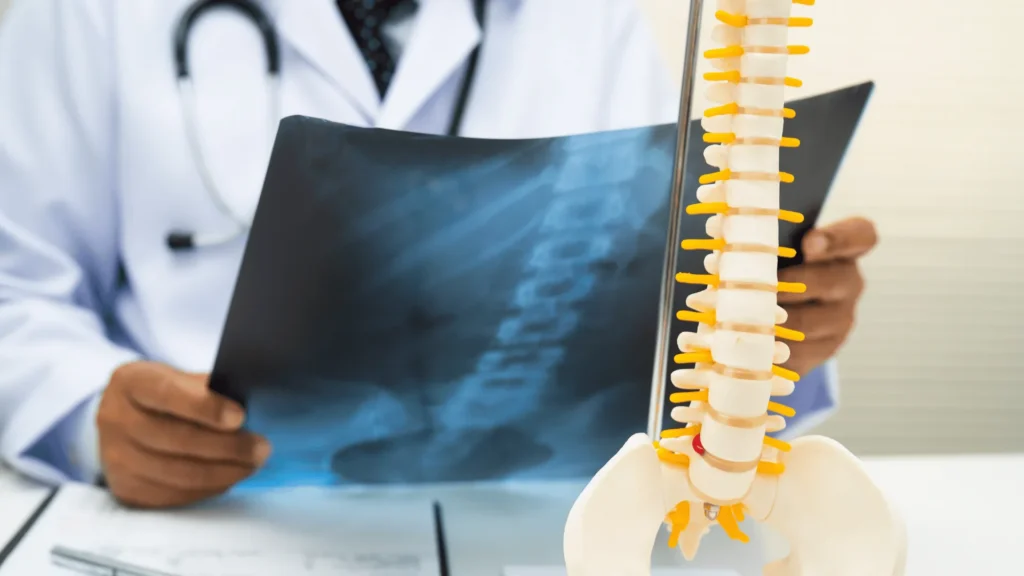
How Hydration, Movement, and Nutrition Can Support a Healthier Spine

Healthy Spine

Back and neck discomfort affects millions of adults each year, often interfering with sleep, work, and daily routines. While advanced interventional treatments can provide meaningful relief, everyday habits also play a critical role in spinal health. Hydration, movement, and proper nutrition directly influence the strength of spinal structures, inflammation levels, and overall recovery.

At Procura Pain & Spine, our approach to personalized pain management care focuses on identifying root causes while helping patients build supportive lifestyle habits that protect long-term spine health.

Why Spine Health Depends on More Than Just Treatment

The spine is made up of vertebrae, intervertebral discs, joints, ligaments, and nerves. These structures rely on adequate hydration, circulation, and nutrient support to function properly. When lifestyle factors are overlooked, patients may experience increased stiffness, inflammation, or recurring discomfort.

Whether you are managing chronic back pain or persistent neck pain, supporting your body through healthy daily habits can enhance outcomes and reduce flare-ups.

Hydration: Fuel for Your Spinal Discs

Intervertebral discs act as shock absorbers between the bones of the spine. These discs are largely composed of water, which allows them to maintain flexibility and cushioning.

When the body is dehydrated:

  • Discs can lose elasticity
  • Shock absorption may decrease
  • Stiffness and discomfort can increase
  • Degenerative changes may accelerate

Staying properly hydrated helps maintain disc height and mobility. While hydration alone will not reverse structural damage, it supports overall spinal resilience and recovery.

Tip: Consistent daily water intake is more beneficial than drinking large amounts at once. Patients experiencing disc-related issues or degenerative conditions should prioritize hydration as part of a comprehensive care plan.

Movement: Keeping the Spine Stable and Supported

The spine relies heavily on surrounding muscles for stability. Prolonged sitting, inactivity, or poor posture can weaken supportive muscles and place excess stress on spinal joints and discs.

Regular movement can:

  • Improve circulation to spinal tissues
  • Strengthen core and back muscles
  • Reduce stiffness
  • Decrease inflammation
  • Improve posture and spinal alignment

Low-impact exercises such as walking, swimming, and guided stretching routines can be beneficial for many patients. Strengthening the core muscles helps reduce strain on the lower back, particularly for those managing lumbar discomfort.

If you are living with nerve-related symptoms such as radiating pain or numbness, conditions like nerve pain and neuropathy may require both targeted treatment and a carefully structured activity plan.

Nutrition: Supporting Inflammation Control and Tissue Repair

What you eat can directly impact inflammation levels throughout the body. Chronic inflammation can worsen joint pain, nerve sensitivity, and degenerative changes in the spine.

A spine-supportive diet typically emphasizes:

  • Lean proteins for tissue repair
  • Omega-3 fatty acids to help manage inflammation
  • Leafy greens and colorful vegetables for antioxidants
  • Calcium and vitamin D for bone strength
  • Magnesium for muscle function

Patients experiencing joint-related spinal discomfort may also benefit from strategies that support overall joint health, particularly if arthritis contributes to symptoms. Managing systemic inflammation can be an important component in treating joint pain and arthritis.

The Connection Between Lifestyle and Interventional Care

While hydration, movement, and nutrition are foundational, some patients require advanced diagnostic and interventional options to address underlying structural issues. At Procura Pain & Spine, we combine lifestyle education with evidence-based treatments to create comprehensive plans tailored to each patient’s condition.

For individuals with persistent pain, image-guided procedures, minimally invasive treatments, and targeted therapies may be recommended. You can explore available options through our treatments overview to better understand how interventional pain management works alongside supportive lifestyle changes.

Small Changes That Add Up

Improving spinal health does not require drastic changes overnight. Small, consistent habits can have a meaningful impact:

  • Increase daily water intake
  • Take standing or walking breaks during prolonged sitting
  • Incorporate gentle stretching routines
  • Prioritize anti-inflammatory foods
  • Maintain a healthy weight to reduce spinal load

Over time, these adjustments can improve mobility, reduce strain, and enhance overall quality of life.

When to Seek Professional Evaluation

If spine pain persists despite healthy habits, professional evaluation is essential. Ongoing back or neck pain, numbness, weakness, or pain that interferes with daily life may indicate an underlying condition that requires targeted treatment.

Procura Pain & Spine provides advanced, patient-centered care focused on diagnosing the source of pain and creating personalized treatment strategies. Whether you are dealing with disc-related issues, nerve irritation, arthritis, or chronic musculoskeletal pain, our team is here to help you move forward with confidence.

Supporting a Stronger, Healthier Spine

Hydration keeps spinal discs resilient. Movement strengthens support structures. Nutrition helps manage inflammation and repair tissue. Together, these elements create a powerful foundation for long-term spine health.

If you are ready to take the next step toward lasting relief, explore our full range of services and conditions treated to learn how a comprehensive approach to spine care can support your recovery and overall well-being.

Advances in Minimally Invasive Pain Procedures: What Patients Should Know

procura pain spine mininally invasive care

Chronic pain can disrupt every part of daily life, from work and sleep to mobility and mental well-being. Fortunately, pain management has evolved significantly over the past decade. Today, advances in minimally invasive pain procedures offer patients safer, more precise options that can reduce discomfort, shorten recovery time, and help avoid major surgery.

If you are exploring pain management treatment options, minimally invasive procedures may offer an effective path forward.

Introduction to Minimally Invasive Pain Management

Minimally invasive pain management focuses on treating pain at its source using targeted techniques rather than large surgical incisions or long-term reliance on medication. These procedures are typically performed on an outpatient basis and are designed to minimize tissue disruption while maximizing relief.

At Procura Pain & Spine, our approach centers on identifying the root cause of discomfort before recommending treatment. Through advanced diagnostics and personalized planning, patients receive care that supports long-term outcomes rather than temporary symptom control.

As imaging and interventional technologies have advanced, physicians can now identify pain generators with greater accuracy. This precision has led to more effective treatments with fewer risks and faster recovery times.

What Are Minimally Invasive Pain Procedures?

Minimally invasive pain procedures involve small injections, probes, or needles guided by advanced imaging to precisely target nerves, joints, or spinal structures causing pain. Unlike traditional surgery, these treatments do not require large incisions or extended hospital stays.

They are commonly used to treat conditions such as:

By addressing the specific source of discomfort, these procedures aim to reduce pain while preserving surrounding healthy tissue.

Key Advances in Minimally Invasive Pain Treatments

Image-Guided Precision Techniques

One of the most important advancements in modern pain care is the use of real-time imaging such as fluoroscopy or ultrasound. These technologies allow physicians to visualize nerves, joints, and soft tissues during a procedure for precise placement.

This level of accuracy improves outcomes for treatments such as:

  • Epidural steroid injections
  • Facet joint injections
  • Nerve blocks

Improved imaging reduces the risk of complications and increases the likelihood of meaningful pain relief.

Improved Injection Therapies

Injection-based treatments have advanced significantly. Refined delivery techniques and improved medication placement allow anti-inflammatory solutions to reach the precise source of irritation.

Procedures such as epidural injections and joint injections now offer more targeted relief and can serve both diagnostic and therapeutic purposes. For many patients, these treatments help confirm the pain source while delivering measurable improvement.

Radiofrequency and Nerve Modulation Innovations

Radiofrequency procedures have become a cornerstone of minimally invasive pain management. These treatments use controlled thermal energy to interrupt pain signals traveling along specific nerves.

Radiofrequency ablation is often recommended for chronic back, neck, and joint pain that has not responded to conservative care. Many patients experience significant relief lasting several months or longer.

Advances in nerve modulation technology have improved patient comfort, procedural accuracy, and overall durability of results.

Regenerative and Biologic Approaches

Another emerging area of innovation includes regenerative-focused procedures that support the body’s natural healing processes. These treatments aim to reduce inflammation and improve tissue function, particularly in joints and soft tissue structures.

While not appropriate for every condition, regenerative therapies may be incorporated into a comprehensive treatment plan when clinically indicated.

Benefits of Minimally Invasive Pain Procedures for Patients

Compared to traditional surgery, minimally invasive pain treatments offer several advantages:

  • Shorter recovery time
  • Minimal scarring
  • Reduced post-procedure discomfort
  • Lower complication risk
  • Outpatient convenience

Patients who struggle with persistent joint pain or chronic spinal conditions often find that these procedures provide relief without the extended downtime associated with surgery.

Because most treatments are performed in-office or in an outpatient setting, patients can typically return home the same day and resume light activity quickly.

What Patients Can Expect During a Minimally Invasive Procedure

Pre-Procedure Evaluation and Planning

Before recommending any intervention, the team performs a comprehensive evaluation. This may include physical examination, imaging studies, and a detailed review of medical history.

The goal is to match the procedure to the exact pain generator, ensuring a personalized and strategic care plan.

If you are unsure about the cause of your discomfort, scheduling a pain management consultation is the first step toward clarity.

During the Procedure

Most minimally invasive treatments are relatively brief and performed using local anesthesia or light sedation. Patients are monitored throughout the process to ensure safety and comfort.

Because these procedures use small entry points instead of surgical incisions, they are generally well tolerated.

Recovery and Aftercare

Recovery is typically quick. Many patients resume light activity within 24 to 48 hours. Follow-up visits help assess results and determine whether additional treatment or supportive therapies are needed.

For individuals managing conditions such as arthritis-related pain, a structured follow-up plan helps optimize long-term relief.

Who Is a Good Candidate for Minimally Invasive Pain Treatments?

Patients with chronic or recurring pain that has not responded to conservative treatments such as medication or physical therapy may be strong candidates.

A comprehensive evaluation ensures the selected procedure aligns with both short-term comfort and long-term health goals.

The Future of Minimally Invasive Pain Management

Ongoing research continues to refine precision, improve durability of relief, and expand available treatment options. As innovation progresses, minimally invasive procedures will likely play an even greater role in helping patients manage chronic pain safely and effectively.

Making Informed Decisions About Pain Care

Advances in minimally invasive pain procedures have transformed how chronic pain is treated. With improved accuracy, shorter recovery times, and reduced risk, these treatments offer meaningful relief for many individuals.

If you are living with chronic back, neck, joint, or nerve pain, exploring minimally invasive options at Procura Pain & Spine may help you move forward with a treatment plan designed around your long-term quality of life.

The Future of Pain Management: Trends to Watch in 2026 and Beyond

pain management 2026

Pain management continues to evolve as new technologies, research, and care approaches reshape how providers support patients. In 2026 and the years ahead, the industry is moving toward more personalized, data-informed, and whole-person strategies that help people better understand and navigate their pain. Below, we explore the most important trends shaping the future of pain management and what they mean for individuals seeking long-term support.

Technology Driven Innovations in Pain Management

AI Assisted Assessment and Treatment Planning

Artificial intelligence is playing a growing role in helping providers analyze patterns, identify potential challenges, and support more individualized care planning. By reviewing data from assessments, movement patterns, or self-reported symptoms, AI tools offer insights that make treatment plans more precise and adaptive.

Virtual and Remote Support Tools

Telehealth continues to expand, making it easier for individuals to stay connected with their care teams. Remote check-ins, digital symptom tracking, and online care resources allow people to stay engaged between in-person visits. These tools support continuity and help track progress over time.

Wearable Devices and Smart Sensors

Wearable technology is becoming more advanced and more accessible. Devices that monitor movement, activity levels, and other indicators can help users better understand trends in their daily routines. This information gives providers additional context when tailoring recommendations or adjusting care strategies.

New Approaches to Interventional and Non Interventional Therapies

Minimally Invasive Techniques

As technology advances, more procedures focus on precision and reduced downtime. These minimally invasive options emphasize targeted support for specific areas of discomfort, creating opportunities for more streamlined care experiences.

Targeted Treatment Modalities

New tools and technologies are emerging that allow providers to focus care on distinct pain sources. This trend highlights a shift toward personalized methods that account for each person’s unique situation.

Non Invasive and Low Impact Therapies

Non-invasive approaches continue to grow in popularity as individuals seek tools that support comfort, mobility, and daily function. These methods may complement existing care plans and offer additional options for people managing ongoing symptoms.

The Rise of Holistic Pain Management

Integrative and Multidisciplinary Models

Pain management is increasingly moving toward a team-based approach. By combining clinical, behavioral, and lifestyle strategies, providers can support the whole person rather than focusing solely on physical symptoms or conditions.

Personalized Patient Engagement

Education and self management tools empower individuals to take an active role in their care. From digital learning resources to goal-setting platforms, engagement tools help people build confidence and consistency throughout their pain journey.

Mental, Behavioral & Emotional Support in Pain Care

There is growing recognition of how stress, mood, and overall wellbeing influence the pain experience. Many care models now include resources that support emotional and behavioral health as part of a broader, whole-person plan.

Data, Safety, and Quality of Care Advancements

Data Driven Decision Making

Big data is improving how providers track progress, identify patterns, and adjust care recommendations. More information and clearer insights mean care plans can evolve based on what works best for each individual.

Enhanced Safety Standards

New systems and technologies are helping clinics streamline documentation, tracking, and compliance. These improvements strengthen safety, reduce errors, and support consistent, high-quality care.

Patient Outcome Tracking

Long-term monitoring tools are making it easier to measure success and refine future care choices. By using structured tracking methods, providers can better understand what supports long-term comfort and function.

What These Trends Mean for Patients in 2026 and Beyond

Overall, the future of pain management is heading toward more personalized, accessible, and supportive care experiences. Individuals can expect greater transparency, improved digital resources, and more options tailored to their unique needs. As technology and collaborative care models evolve, the goal remains the same: helping people navigate their pain with confidence and clarity.

The Future of Pain Care: What to Expect Moving Forward

Pain management is undergoing meaningful change as innovation, technology, and whole-person approaches reshape the field. Staying informed about emerging trends can empower individuals to explore new tools and strategies that align with their goals for comfort, mobility, and quality of life. As 2026 approaches, the future of pain care is brighter, more connected, and more patient-centered than ever. 

Reach out to our pain management team at Procura Pain & Spine in The Woodlands today to start your journey toward a pain free future.

Winter Weather and Chronic Pain: Understanding the Connection and Finding Relief

Chronic Pain Management Winter

As temperatures drop, many people living with chronic pain notice their symptoms getting worse. Achy joints, muscle stiffness, and fatigue can make daily tasks harder during the colder months. While the science behind weather-related pain is still evolving, there are clear links between winter conditions and increased discomfort and there are proven ways to find relief.

How Cold Weather Affects Chronic Pain

For individuals managing arthritis, fibromyalgia, neuropathy, or spinal pain, winter can bring unique challenges. Here’s why:

  • Barometric pressure drops: Changes in pressure before cold or damp weather can cause tissues to expand, putting pressure on joints and nerves.

  • Muscle tightening: Cold air makes muscles contract, reducing flexibility and increasing pain sensitivity.

  • Less movement: Shorter days and chilly weather often lead to decreased activity, which can reduce blood flow and worsen stiffness.

  • Stress and mood changes: Seasonal Affective Disorder (SAD) and holiday stress can heighten pain perception and fatigue.

Common Conditions Impacted by Winter Weather

Some chronic pain conditions are more sensitive to the season than others:

  • Arthritis and joint pain: cold temperatures can cause stiffness and swelling.

  • Fibromyalgia: lower light levels and temperature changes can trigger widespread pain.

  • Neck pain and back pain: muscle tension from the cold often increases discomfort.

  • Migraines: rapid weather changes can bring on painful flare-ups.

If you experience these symptoms, a chronic pain specialist near you can help identify the best treatment options for winter management.

How to Find Relief and Stay Comfortable This Winter

Even when the weather turns cold, there are ways to protect your body and reduce pain:

1. Keep Warm and Comfortable

Dress in warm, layered clothing, use heating pads, and take warm baths to relax stiff muscles and joints. Maintaining steady body temperature is key to reducing pain flare-ups.

2. Stay Active Indoors

Movement keeps circulation strong and joints flexible. Try low-impact exercises such as yoga, stretching, or aquatic therapy. Consistent activity can make a noticeable difference in your pain levels.

3. Support Your Joints

Use braces or compression sleeves if recommended by your provider. Strengthening surrounding muscles can also improve joint stability and reduce inflammation.

4. Prioritize Rest and Stress Management

Cold weather can increase stress and fatigue. Practice mindfulness, deep breathing, or gentle meditation to calm your body’s pain response and improve sleep quality.

5. Work With a Pain Management Clinic

If your pain increases during winter, your treatment plan may need adjustment. A pain management clinic can provide personalized care, from regenerative therapies to targeted pain procedures, to help you stay active all year long.

When to See a Pain Specialist

If your pain worsens or limits your daily activities despite home care, it may be time to consult a professional. Consistent or worsening pain can indicate underlying inflammation, nerve issues, or joint changes that require medical evaluation.

At Procura Pain & Spine, we help patients find lasting relief from chronic pain even through the toughest seasons. Our specialists create customized treatment plans that address your unique condition and help restore function, comfort, and quality of life.

Ready to feel better this winter?

Schedule a consultation with Procura Pain & Spine today to explore personalized chronic pain treatment options and rediscover comfort no matter the weather.

What Are Nerve Blocks and How Can They Help Manage Pain?

procura pain spine nerve block procedure

For people living with ongoing pain, every day can feel like a balancing act of trying to stay active, manage symptoms, and avoid the side effects of long-term medications. If this sounds like you, then nerve blocks might be the solution you’ve been seeking. These targeted treatments offer a precise way to interrupt pain signals and give your body and mind a much-needed break. At Procura Pain & Spine, we use nerve blocks as part of a broader strategy to manage pain more effectively, reduce dependency on oral medication, and restore quality of life.

Understanding the Basics of Nerve Blocks

Before we explore who nerve blocks can help and what they’re like in practice, it helps to understand how they work. This type of treatment focuses on quieting nerve pain at the source by targeting specific pathways in the body. 

Here’s how it breaks down:

What Is a Nerve Block?

A nerve block is an injection designed to numb or reduce pain in a specific area by blocking signals from a particular nerve or group of nerves. Depending on your condition, it may be used for short-term relief, long-term management, or as a diagnostic tool to identify where pain is coming from.

How Nerve Blocks Work to Interrupt Pain Signals

When a nerve is inflamed, irritated, or overactive, it sends constant distress signals to the brain, even when the original cause of pain has resolved. A nerve block interrupts that feedback loop by delivering medication directly to the affected nerve, stopping or dulling the pain signals before they can take over your nervous system.

Common Types of Nerve Blocks

Nerve blocks aren’t one-size-fits-all. Different types target different nerves depending on your symptoms:

  • Epidural blocks for spine-related pain

  • Peripheral nerve blocks for limb or joint pain

  • Sympathetic blocks for nerve disorders like CRPS

  • Facet joint blocks for arthritic or spinal joint pain

Each type is selected based on where your pain originates and how it’s impacting your mobility and function.

Conditions That Can Be Treated with Nerve Blocks

Nerve blocks offer more than just a break from pain, they offer precision where generalized treatments often fall short. For people with herniated discs that radiate down the leg, or nerve damage after surgery that still burns months later, nerve blocks target the exact source of the signal. They’re especially valuable when pain becomes self-sustaining, when the nervous system keeps relaying distress even after the original injury has healed.

Chronic Back and Neck Pain

Persistent spinal pain often stems from compressed nerves, herniated discs, or degenerative joint issues. Nerve blocks can quiet those inflamed areas, especially around the facet joints or nerve roots, giving patients relief from stiffness, aching, and radiating pain.

Nerve-Related Pain from Injuries or Surgery

After an injury or surgical procedure, nerves may continue to fire pain signals even after tissue has healed. Nerve blocks can help calm that lingering nerve sensitivity, breaking the pattern and giving you room to recover more comfortably.

Migraines and Headaches

For those suffering from chronic migraines or cluster headaches, certain nerve blocks, like occipital nerve blocks, can reduce frequency and severity by targeting pain at the base of the skull, where many headache signals begin.

Arthritis, Sciatica, and Other Chronic Conditions

Nerve blocks can also help manage pain from sciatica, osteoarthritis, or other inflammatory conditions by targeting the nerves being aggravated by joint or disc degeneration.

The Nerve Block Procedure

A clear sense of the process can ease tension and help you focus on results. At Procura Pain & Spine, each step is deliberate, with accuracy and comfort guiding the approach.

What to Expect Before, During, and After Treatment

Before we begin, we’ll study your scans and history to identify the target area. During the procedure, you’ll lie still as a fine needle is placed with care. Medication is delivered precisely to the nerve in question. The appointment rarely exceeds an hour, and most patients leave shortly after. Relief may come quickly or develop over several days, depending on the condition and type of block.

Imaging Guidance and Precision in Injection Placement

We use real-time imaging, fluoroscopy or ultrasound, to guide the injection. This ensures the medication reaches the intended site with exactness, improving results and minimizing unnecessary exposure to surrounding tissue.

Safety, Comfort, and Recovery

Most patients report only brief soreness or numbness around the site. Activity can usually resume within a day, though we suggest light rest immediately after. The focus is on how your body responds, not just in the hours after, but in the days that follow.

Benefits of Nerve Blocks for Pain Management

Nerve blocks may not erase the source of pain, but they can shift the way it behaves. For people living with chronic discomfort, whether from spinal issues, migraines, or post-surgical nerve sensitivity, this shift can be the difference between coping and living.

Rapid Relief from Acute or Chronic Pain

When pain breaks through your normal routine or resists medication, a nerve block can intervene quickly. Relief often sets in within hours, giving your body and mind space to reset and recover.

Reduced Need for Oral Medications

Fewer pills means fewer complications. By targeting the pain directly, nerve blocks can reduce your reliance on opioids or anti-inflammatories and limit the side effects that come with long-term use.

Improved Mobility and Quality of Life

With pain turned down, movement becomes easier. Many of our patients find it easier to participate in physical therapy, stay active, and return to routines they had pulled back from.

Diagnostic Benefits for Identifying Pain Sources

Nerve blocks can also clarify where pain is truly coming from. If your symptoms improve after a targeted injection, that feedback tells us something critical, and it sharpens the direction of future treatment.

Are Nerve Blocks Right for You?

Not every treatment fits every person. That’s why we take the time to evaluate your condition, your goals, and your full medical picture before recommending a nerve block.

Who Makes a Good Candidate

Nerve blocks may be right for people with localized nerve pain, inflammation, or conditions that haven’t responded well to conservative treatments. We assess each case individually to determine if it’s a fit.

Discussing Options with a Pain Management Specialist

At Procura Pain & Spine, we don’t rush decisions. We’ll walk you through the pros, cons, and timing of nerve block therapy and how it fits with your current treatment plan.

How Nerve Blocks Fit into a Comprehensive Treatment Plan

For many patients, nerve blocks are just one part of the puzzle. Combined with physical therapy, medications, or regenerative treatments, they can enhance the impact of your overall pain management strategy.

Key Takeaways

Nerve blocks offer a direct and often fast-acting way to disrupt nerve pain, particularly when it stems from long-standing conditions or past injuries that no longer respond to typical treatment. They can ease dependence on daily medications, unlock better mobility, and give patients more control over their routines.

At Procura Pain & Spine, we don’t treat nerve blocks as a standalone solution, they’re one piece of a broader strategy focused on restoring function, improving daily experience, and helping you move forward with clarity and confidence.

Schedule a Consultation

If chronic pain or nerve pain is keeping you from the life you want, let’s talk. Schedule a consultation with Procura Pain & Spine and we’ll walk through your options together, including whether a nerve block has a place in your plan.

The Role of Cognitive Behavioral Therapy in Managing Chronic Pain

Cognitive Behavioral Therapy Patient

Chronic pain can be a lonely, relentless force. It shapes how we move, think, and relate to the world. What starts in the body slowly takes hold in the mind, creating a cycle of discomfort that even the best medications sometimes can’t touch. When pain lingers, so does the stress, the fatigue, and the fear of what tomorrow might feel like. That’s where cognitive behavioral therapy (CBT) comes in, not to erase pain, but to change your relationship with it.

CBT helps people reclaim control. It gives structure to the chaos that chronic pain brings and teaches strategies to reduce its emotional weight. Paired with medical care, it’s not just an alternative, it’s a practical and empowering path forward.

Understanding Chronic Pain

Pain that refuses to leave rarely stays simple. What begins as a physical signal, sharp, dull, burning, can settle into something more intricate. Over time, it tangles itself into routines, reshapes emotional rhythms, and alters how a person navigates the world. Chronic pain doesn’t just follow you around. It becomes part of the architecture of your daily experience. Before exploring the value of cognitive behavioral therapy, it’s worth sitting with what chronic pain actually is, and why it demands more than just physical treatment.

What Defines Chronic Pain

There is no ticking countdown for chronic pain. Unlike pain that recedes once the body has healed, this kind of pain lingers beyond three months, often with no obvious tissue damage left to blame. For some, it fades in and out. For others, it builds a steady presence that resists the usual remedies. It is not always dramatic, but it is relentless, interrupting focus, reshaping rest, and carving out space in places it was never meant to stay.

Common Causes and Conditions

The triggers are scattered. Joint degeneration, damaged nerves, autoimmune flare-ups, or past surgeries might spark it. In other cases, the pain seems to arrive without permission or explanation, remaining even after scans show nothing unusual. Fibromyalgia, long COVID, arthritis, spinal disc issues, the names change, but the result is similar: a daily reckoning with discomfort that doesn’t play by familiar rules.

How Chronic Pain Affects Mental and Emotional Health

Prolonged pain has a way of colonizing more than just the body. It nudges people into survival mode, affecting sleep, distorting thought patterns, and gradually closing off the edges of daily life. Anxiety and depression often trail behind, not as character flaws but as consequences of constant strain. Over time, everything takes more effort: getting dressed, making a plan, staying present in a conversation. Pain narrows focus, dulls resilience, and becomes more than sensation, it becomes a lens through which the world is interpreted.

What Is Cognitive Behavioral Therapy (CBT)?

CBT isn’t just another talk therapy. It’s an action-based method designed to help people take back control over how they respond to pain, stress, and setbacks. 

What Sets Cognitive Behavioral Therapy Apart From Regular Talk Therapy?

Core Principles of CBT

Cognitive Behavioral Therapy is built on a simple idea: your thoughts, feelings, and actions don’t exist in silos. They feed into one another, sometimes reinforcing patterns that quietly magnify your pain experience. When a flare-up sparks frustration, it can spiral into worry, avoidance, or hopelessness. CBT presses pause on that loop. It teaches you how to spot those mental reflexes in real time and replace them with responses that support, not sabotage, your healing.

How CBT Differs From Other Forms of Therapy

Many therapeutic approaches invite you to explore where you’ve been. CBT is more interested in where you are now, and where you want to go. It’s structured, highly focused, and often short-term. Sessions are collaborative, with exercises to practice and thought patterns to unpack between visits. The work doesn’t stay in the therapy room. It shows up in the quiet moments, the small wins, the reframed responses that gradually shift how you handle your pain day-to-day.

The Connection Between Thoughts, Emotions, and Physical Pain

Chronic pain isn’t just something the body feels, it’s something the brain anticipates, analyzes, and sometimes fears long before it even arrives. That anticipation can heighten your sensitivity, draining your energy and narrowing your focus to discomfort alone. CBT helps loosen the grip of that cycle. By reshaping the way you interpret pain, it softens the emotional edges and makes space for responses that feel less reactive and more grounded.

How CBT Helps Manage Chronic Pain

Cognitive behavioral therapy doesn’t promise to erase pain, but it does offer a way to loosen its grip. By slowing down automatic reactions and tuning into your mental reflexes, CBT helps you notice what’s fueling the spiral. Maybe it’s a belief that movement will make things worse, or a fear that today’s pain means tomorrow will be worse. Over time, these thoughts shape habits, moods, even how pain is processed in the brain. CBT gives you the tools to break that chain, one link at a time.

That shift begins with awareness, but it doesn’t stop there. The real power of CBT is in what comes next: building skills that help you respond, adapt, and participate in life more fully. From reframing unhelpful thoughts to creating pain-specific coping strategies, relaxation practices, and sleep tools, CBT offers a practical, layered approach to managing chronic pain, not just enduring it.

Let’s break those down:

Identifying and Reframing Negative Thought Patterns

Many people living with chronic pain fall into thought traps like “I’m broken” or “Nothing helps.” CBT teaches you to spot those thoughts and replace them with more accurate, empowering ones. It’s not about toxic positivity, it’s about breaking free from defeatist cycles.

Coping Strategies for Daily Pain Management

CBT gives you practical tools to use when pain flares up. This might include pacing activities, scheduling breaks, using distraction techniques, or building reward systems to stay motivated. These strategies help you stay engaged with life instead of retreating from it.

Relaxation and Stress-Reduction Techniques

Stress amplifies pain. CBT introduces techniques like deep breathing, progressive muscle relaxation, and guided imagery to calm the nervous system. These aren’t quick fixes, they’re skills that, over time, lower your body’s baseline stress and help reduce the perception of pain.

Improving Sleep and Emotional Well-Being

Chronic pain and poor sleep often go hand in hand. CBT can address sleep challenges through behavioral techniques like sleep restriction, stimulus control, and nighttime rituals. At the same time, it supports mood regulation and resilience by targeting depressive or anxious thought loops that pain often triggers.

Evidence Supporting CBT for Pain Management

CBT isn’t built on vague optimism. It’s grounded in decades of research and backed by real-world outcomes. While it may not erase pain, it shifts the relationship you have with it, giving you tools, structure, and space to respond differently. The science is clear: when practiced consistently, CBT can improve quality of life for those navigating chronic pain day in and day out.

Clinical Studies and Research Findings

Across multiple studies, CBT has shown measurable benefits in pain reduction, functional improvement, and emotional resilience. It’s not a cure, but it’s a proven lever. People who go through CBT often report lower pain intensity, fewer flare-ups, and a stronger ability to stay active and engaged. Research highlights not only reduced symptoms, but increased autonomy, a critical shift for anyone who’s felt sidelined by persistent discomfort.

Patient Success Stories and Outcomes

Beyond the data, the personal accounts speak volumes. Patients describe CBT as a turning point, not a dramatic transformation, but a subtle, steady recalibration. They mention moments where pain no longer dictated their day, where a skill they learned in therapy helped them reclaim control. For many, it becomes a framework that helps them cope better, feel less reactive, and regain momentum.

Limitations and Considerations

CBT isn’t a magic fix, and it won’t resonate with everyone. It demands practice, patience, and a willingness to sit with discomfort long enough to understand it. For some, the structured nature is empowering; for others, it may feel too introspective or slow to show results. It’s most effective as part of a bigger picture, a tool that complements medical treatment, not competes with it. When integrated into a well-rounded plan, though, it often becomes the piece that helps everything else work a little better.

Combining CBT with Other Pain Management Approaches

Cognitive behavioral therapy isn’t meant to work in isolation. Pain is rarely one-dimensional, and neither should be the plan to address it. When CBT is integrated into a broader approach, one that includes physical therapy, medication when needed, and sustainable lifestyle habits, the result is often a more balanced, long-term path forward. Each piece reinforces the others, creating a stronger overall foundation for daily function and emotional resilience.

Medication and CBT

Medications can play an important role in easing the physical edge of chronic pain. But when that relief is paired with the mental recalibration of CBT, it becomes something more durable. CBT doesn’t replace pain meds, it gives them backup. While medicine helps reduce symptoms, CBT gives people the tools to stay functional when the pills wear off, or when pain breaks through anyway. The two together often offer steadier outcomes than either alone.

Physical Therapy and Lifestyle Changes

CBT often fills in the gaps where physical therapy alone falls short. It helps dismantle the avoidance patterns and internal narratives that can stall progress. If a person fears movement will make things worse, CBT works to reframe that fear. It also supports behavior change, like building a consistent stretching routine, or staying active even on tougher days. The mental work reinforces the physical effort.

Multidisciplinary Pain Management Programs

Some of the most effective treatment models today are team-based. Clinics that offer CBT as part of a larger suite, including physical therapy, medication support, nutritional guidance, and more, reflect a growing understanding of how pain works. These programs don’t chase a single fix. They aim to treat the full experience of living with chronic pain, layering strategies so that progress in one area feeds momentum in the next. When pain is persistent, it takes a multi-front approach to truly shift the outcome.

Getting Started with CBT for Chronic Pain

You don’t need to wait for pain to become unbearable to seek support. CBT works best when introduced early, before patterns get too deeply embedded.

Finding a Qualified Therapist

Look for a licensed psychologist, counselor, or social worker trained in CBT, ideally with experience in pain management. Ask your provider for referrals or search through professional directories to find someone aligned with your needs.

What to Expect in a CBT Session

Sessions are usually structured and collaborative. You’ll learn about how pain affects the brain, identify your own thought patterns, and build skills to counteract them. Homework is common, and often essential, to apply what you’re learning between visits.

Self-Help Resources and Tools

If therapy access is limited, self-guided workbooks and CBT-based apps can offer a starting point. While they don’t replace a therapist, they can still introduce core principles and build momentum toward better coping.

Moving Forward with CBT

Cognitive behavioral therapy isn’t about ignoring pain, it’s about confronting it with new tools, better awareness, and a different kind of strength. It helps turn the volume down on fear, anxiety, and hopelessness, making more space for clarity and movement.

At Procura Pain & Spine, we don’t just treat chronic pain, we help you build the resilience to live beyond it. If your pain has taken more than it should, CBT might be a way to take something back. Let’s talk about whether cognitive behavioral therapy belongs in your treatment plan. We’re here to help you reclaim control, one step at a time.

Exploring Regenerative Medicine: A New Frontier in Pain Relief

Regenerative Medicine

Why Regenerative Medicine Matters for Chronic Pain

Chronic pain doesn’t follow simple timelines. It doesn’t always come with clear imaging or predictable triggers. For many patients, the pain keeps going long after the injury has healed, long after the medications have failed, long after the question shifts from what caused it to what now. That’s where regenerative medicine enters the conversation. Not as a last resort. Not as a miracle. But as a category of care that looks past the surface and into the tissue itself, asking if the body might still be able to repair what’s been worn down or left behind.

What Is Regenerative Medicine?

Regenerative medicine refers to therapies that support or stimulate the body’s own repair systems. Instead of masking pain or mechanically altering tissue through surgery, these treatments aim to restore function by encouraging cells to rebuild or stabilize areas of degeneration.

At its core, regenerative medicine uses biologics like platelets, stem cells, or naturally occurring signaling proteins to create an environment where healing is more likely to succeed. These elements are usually drawn from the patient’s own blood, fat, or bone marrow, processed, and then injected into the damaged tissue to help jumpstart a stalled recovery process.

Unlike traditional pain management, which focuses on reducing inflammation or blocking pain signals, regenerative medicine approaches the problem at the source. It doesn’t just ask how to turn down the pain. It asks why the pain is still there and what can be done to support repair rather than just suppression.

The Science Behind Regenerative Medicine

The body already has a built-in system for repair. When tissue is damaged, it responds by sending platelets, growth factors, and specialized cells to clear out debris, reduce inflammation, and begin the rebuilding process. In acute injuries, this system usually performs well. But in chronic pain, it can stall, misfire, or never fully activate.

Regenerative medicine works by reinforcing that natural system. By extracting and concentrating the body’s own repair materials—whether platelets, stem cells, or other biological signals, and injecting them into areas of damage, the goal is to restart or strengthen the healing cycle rather than bypass it altogether.

The most common approaches include platelet-rich plasma (PRP), stem cell therapy, and prolotherapy. Each targets tissue repair differently, but the unifying purpose is the same: restore function by rebuilding what’s weak, worn down, or no longer healing on its own. These therapies don’t just soothe symptoms. They aim to change the condition of the tissue itself.

Types of Regenerative Treatments for Pain Relief

Regenerative medicine is more than one kind of therapy. It’s a category of options built around the same idea, to help the body do what it’s already wired to do, only better.

Platelet-Rich Plasma (PRP) Therapy

PRP uses your own blood, spun in a centrifuge to extract platelets and growth factors. That concentrated fluid is then injected where healing has stalled. It’s most often used for joint pain, tendon injuries, and inflammation that lingers despite rest or medication.

Stem Cell Therapy

Stem cells come from bone marrow or fat tissue and are used in areas with slow healing, like worn-down joints or spinal discs. These cells help repair damage and spark activity in tissues that have gone quiet.

Prolotherapy

This method uses a dextrose solution to trigger a light inflammatory response, which encourages new growth. It’s usually recommended when loose ligaments or micro-injuries are keeping pain active. The goal is to build strength and restore stability.

Conditions That May Benefit from Regenerative Medicine

Pain doesn’t always follow a straight line. Some injuries happen fast and loud, like an ankle twist, a pulled tendon, a hard fall. Others creep in over time, like joint stiffness that turns into daily pain, or a back that tenses for years before something finally gives. Regenerative medicine steps in where that pain lingers, especially in cases where inflammation, degeneration, or repetitive stress have left the body stuck in a cycle of incomplete healing.

Patients with arthritis, disc-related spine issues, tendon injuries, or ligament sprains that never fully resolved may benefit from this approach. The goal isn’t just to quiet symptoms, it’s to give the tissue what it needs to recover. Whether the issue stems from overuse, age-related wear, or unresolved trauma, regenerative therapies may offer a path forward that supports repair rather than working around the damage.

Benefits of Regenerative Medicine in Pain Management

The benefits of regenerative medicine go beyond pain relief. For patients looking to avoid invasive procedures or long-term medication use, these therapies offer a different kind of roadmap, one centered on rebuilding, not just enduring.

  • Minimally invasive procedures

  • Reduced reliance on opioids and surgery

  • Emphasis on long-term healing over symptom relief

For patients seeking a path beyond short-term fixes, these advantages mark a meaningful shift in the way pain is approached. Regenerative therapies prioritize restoration over suppression, offering an option that’s more aligned with the body’s own repair systems. Instead of numbing pain or bracing for surgery, patients are given a chance to rebuild, recover, and potentially return to daily life with more stability and less dependency on traditional interventions.

Limitations and Considerations

Regenerative medicine holds promise, but it’s not a one-size-fits-all solution. The field is still evolving, and while some therapies have solid clinical backing, others remain in early stages of research. Outcomes can vary based on the condition being treated, the delivery method, and the patient’s own biology. That’s why setting clear expectations from the start is critical, so patients can make informed decisions grounded in possibility, not false hope.

These treatments also aren’t appropriate for every case. Severe degeneration, active infections, or certain health conditions may limit eligibility. On top of that, insurance coverage is limited for most regenerative procedures, meaning out-of-pocket costs should be factored into the conversation. Transparency, patient screening, and a clear understanding of both risks and potential benefits are all part of responsible care, and part of how Procura Pain & Spine helps patients navigate what comes next.

The Future of Regenerative Medicine in Pain Relief

The landscape of regenerative medicine is in constant motion. What once sat on the fringe of clinical care is now edging into the mainstream, backed by evolving research and more sophisticated tools. Pain clinics across the country are beginning to take notice, not for hype, but because outcomes are starting to shift. These developments aren’t just theoretical. They’re shaping how patients recover, how providers respond, and what care looks like when standard solutions stop delivering.

  • Expanding clinical trials in orthopedics, neurology, and autoimmune care

  • Increasing use in pain clinics as conventional treatments plateau

  • Future innovations in delivery, biologics, and diagnostic pairing

The future of this field won’t be built on one breakthrough. It will come from steady gains, well-applied. At Procura Pain & Spine, we pay close attention to that progress, not to chase every new thing, but to stay ready for the ones that matter.

Rewriting the Recovery Playbook

Regenerative medicine is not a replacement for everything that came before it. But for patients who feel like they’ve run out of options, it might represent the beginning of something different. Not every case will qualify. Not every condition will respond. But where traditional care reaches its limits, regenerative medicine offers another door to open.

If chronic pain has become a constant in your life, it may be time to ask a different set of questions. Contact Procura Pain & Spine to schedule a consultation and find out if regenerative medicine belongs in your treatment plan.

Understanding Chronic Pain: Causes, Symptoms, and Treatment Options

Understanding Chronic Pain

Chronic pain often starts quietly. A sore back after work. A stiff neck that lingers. What was once a minor nuisance becomes part of every day, affecting how you move, how you sleep, and how you show up in your own life. It isn’t just the pain itself but how it seeps into routines and choices. At Procura Pain & Spine, we focus on understanding that full picture so we can help patients find the right path forward.

What Is Chronic Pain?

Not all pain resolves with rest and time. Some types of pain take root and become part of daily life.

Defining Chronic Pain vs. Acute Pain

Acute pain is something most people know. You bump your shin, tweak your back, catch a migraine that fades after sleep. It’s sharp, temporary, and tied to a clear moment. Chronic pain doesn’t work that way. It arrives without warning or lingers long after healing should have happened. Some days it’s quiet. Other days it decides what you can and can’t do. It’s not dramatic. It’s draining. And over time, it shapes how you move, plan, rest, and explain yourself to other people.

How Long Does Chronic Pain Last?

The clinical threshold for chronic pain is twelve weeks. But in real life, what matters more than the calendar is how much the pain interrupts your life. Many patients at our clinic describe pain that evolves over time, shifts in pattern, or refuses to follow predictable rules. Duration matters, but so does disruption.

Common Myths About Chronic Pain

Misconceptions still linger about chronic pain. Some assume if imaging is normal, the pain isn’t real. Others think long-term pain means someone just hasn’t tried hard enough to get better. These beliefs are not only false but harmful. Our team sees every day how chronic pain affects the body and mind, even when lab results or scans don’t tell the full story.

Common Causes of Chronic Pain

Chronic pain can come from a single event or emerge slowly over time. At Procura Pain & Spine, we treat pain at the source when we can identify it, and we manage it strategically when we can’t.

Injury-Related Pain (e.g., back injuries, sprains)

Back injuries, joint damage, and repetitive stress can leave behind lingering inflammation or nerve sensitivity. Even after the tissue heals, pain sometimes remains. This is one of the most common reasons patients seek care at Procura.

Nerve Damage or Neuropathic Pain

When nerves misfire, pain stops behaving predictably. It can sting, burn, pulse, or crawl across the skin with no obvious trigger. It might flare up in the middle of the night or linger quietly for days. Conditions like diabetic neuropathy, post-surgical nerve injury, and sciatica fall into this category, where the signal itself becomes the problem rather than the tissue it was meant to protect.

Chronic Illnesses (e.g., arthritis, fibromyalgia, migraines)

Some conditions build pain into their very nature. Arthritis inflames joints. Fibromyalgia amplifies sensitivity. Migraines often come with widespread tension or nausea. These patients benefit from treatment plans that address not just the condition, but how it affects daily life.

Post-Surgical or Post-Treatment Pain

Surgical pain that lingers beyond recovery can involve nerves, scar tissue, or muscular compensation patterns. It’s frustrating, often unexpected, and requires evaluation by a team that knows how to dig deeper. Our specialists work closely with post-operative patients to identify what went wrong and what can be done next.

Symptoms and Impact on Daily Life

Chronic pain isn’t a static experience. It changes how people live, how they move, and how they think.

Physical Symptoms (e.g., stiffness, burning, aching)

Pain can be dull, sharp, localized, or widespread. For some, it pulses. For others, it stays steady and low but never leaves. These symptoms aren’t just uncomfortable. They shape how patients hold their bodies, how they sit, how they sleep. We see it every day in how someone walks into our clinic.

Emotional and Psychological Effects

Chronic pain doesn’t stop at the body. It interferes with concentration, patience, and mood. Depression, anxiety, and irritability are common not because patients are weak, but because chronic strain changes how the nervous system regulates emotion. That’s why Procura integrates behavioral health into the broader care plan.

Lifestyle Limitations and Quality of Life

Social events get skipped. Plans get rearranged. Hobbies get dropped. Over time, people shrink their lives to fit around their pain. One of our goals is to help expand those boundaries again, safely, at a pace that feels possible.

Diagnosing Chronic Pain

There’s no single scan or number on a lab test that says, “This is chronic pain.” It’s more complicated, and more human, than that.

When to See a Specialist

If your pain has lasted longer than expected, keeps returning, or limits your ability to function, it’s time to speak with someone who specializes in this work. At Procura Pain & Spine, patients come to us when first-line treatments have failed, or when answers remain frustratingly unclear.

Diagnostic Tools and Tests

We use imaging, nerve studies, and physical exams to gather data, but we never treat scans in isolation. We focus on the story the body is telling, not just what a screen shows.

Importance of a Multidisciplinary Evaluation

Chronic pain often touches multiple systems. That’s why we collaborate across disciplines, pain physicians, therapists, counselors, and sometimes outside specialists, to understand the full picture before crafting a plan.

Treatment Options for Chronic Pain

Treatment isn’t about finding a silver bullet. It’s about assembling the right set of tools for the patient in front of us.

Medications (Over-the-counter and Prescription)

Pain relievers, nerve-targeting medications, and certain antidepressants may help reduce the volume of pain signals. At Procura, medications are used thoughtfully and as part of a broader strategy, not as the only answer.

Interventional Pain Procedures (e.g., injections, nerve blocks)

From epidural steroid injections to radiofrequency ablation, we perform targeted procedures that interrupt pain pathways, reduce inflammation, or stabilize overactive nerves. These treatments are administered on-site by our experienced providers.

Physical Therapy and Rehabilitation

Regaining movement safely requires guided expertise. We collaborate with physical therapists to build movement back into the patient’s routine, without flaring symptoms or creating setbacks.

Behavioral and Psychological Therapies

Cognitive behavioral therapy (CBT) and other behavioral approaches can help patients understand how pain shapes their thoughts, reactions, and habits. Our in-house behavioral health team works hand-in-hand with medical providers to close the gap between mind and body.

Alternative Treatments (e.g., acupuncture, chiropractic care)

While evidence is mixed, some patients report relief from integrative options. We help patients navigate which therapies may complement their core treatment plan, and which might not be worth pursuing.

Lifestyle Changes and Self-Management

Chronic pain isn’t just a clinical problem. It’s a daily one. That’s why self-management strategies matter.

Exercise and Activity Modifications

Movement can help, but only when it respects the limits pain has set. Too much and you’re back to square one. Too little and everything stiffens. The goal isn’t pushing through but learning how to move in ways the body can tolerate. That might mean adjusting the pace, changing how long you stand, or rethinking what “active” looks like on a given day.

Diet and Nutrition

Food isn’t a cure, but it can be a lever. For some, reducing sugar or inflammatory ingredients makes a measurable difference. Our providers offer guidance based on both current research and individual tolerance.

Mindfulness and Stress Reduction Techniques

Stress amplifies pain. Learning how to regulate stress, even in small ways, can lower overall pain levels. We support patients with tools like breathing exercises, mindfulness, and guided relaxation.

When to Consider a Pain Management Specialist

There’s no award for toughing it out. When pain disrupts more than it helps, it’s time to rethink the approach.

Signs You Need Advanced Care

If you’ve tried medication, physical therapy, or rest and still feel stuck, advanced care may open doors. Patients often come to Procura when the standard routes have led nowhere.

What to Expect from a Pain Management Clinic

We start with listening. Then we examine, test, explain, and collaborate. Our goal is not just to reduce pain but to restore participation, to help people re-enter their lives on their terms.

Moving Forward with Chronic Pain

Pain may not go away, but it can become something you manage instead of something that manages you. That process starts by figuring out what better actually looks like for you.

Living Well with Chronic Pain

“Well” isn’t a universal goal. It might mean walking farther without stopping. It might mean fewer bad days in a row. For some, it means working again. For others, it’s having the energy to make dinner. At Procura Pain & Spine, we work with patients to define what progress means in real, specific terms, and then build toward it with care that adapts as life does.

Hope Through Holistic and Personalized Treatment

We don’t treat pain in isolation. We look at how it intersects with movement, sleep, mood, and routine. Our team combines interventional procedures, behavioral health, and thoughtful planning to create care that is tailored, not templated. If chronic pain is keeping you stuck, you don’t have to figure it out alone. Contact Procura Pain & Spine to schedule a consultation and take the next step toward care that meets you where you are.